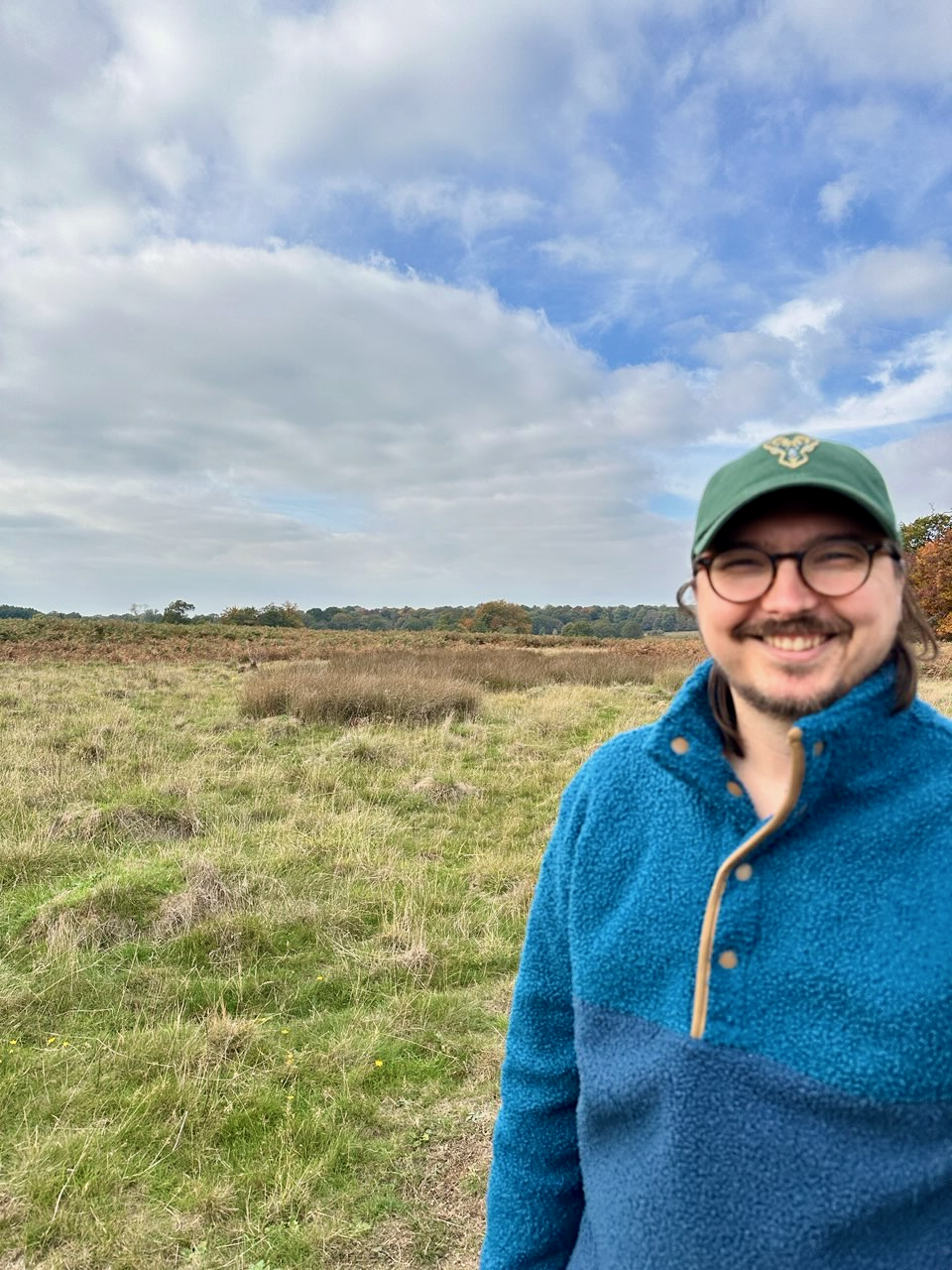
I’m an evolutionary genomicist who studies how plant genomes change over evolutionary time through processes like whole-genome duplication, hybridization, gene gain and loss, and structural variation. These processes are exciting evolutionary changes because their scale can disrupt a genome’s finely tuned interactions among genes and their products, creating the opportunity to reorganize it into something new. I’m broadly interested in understanding how and why the extent of genomic restructuring varies across lineages, how genomic changes reshape networks of interacting genes, and when genome reorganization produces evolutionary novelty rather than collapse.
My work has spanned multiple time-scales to probe these questions: resynthesized Brassica napus in the immediate aftermath of polyploidy; species-level pangenomes in Camelina sativa, pennycress (Thlaspi arvense), and Arabidopsis thaliana; and comparative genomic studies in lineages like Maleae (apple tribe), Brassicaceae (mustard family), and beyond, covering tens of millions of years of evolution.
I’m currently a postdoctoral research associate at the Royal Botanic Gardens, Kew, working with Dr. Ilia Leitch as part of the “Reappraising the role of whole-genome duplication and rediploidization in eukaryotic evolution” (WGDip) project group. My part of that effort focuses on understanding if, how, and why genome restructuring after whole-genome duplications (a process called rediploidization) differs across land plants and what the functional or evolutionary consequences may be.
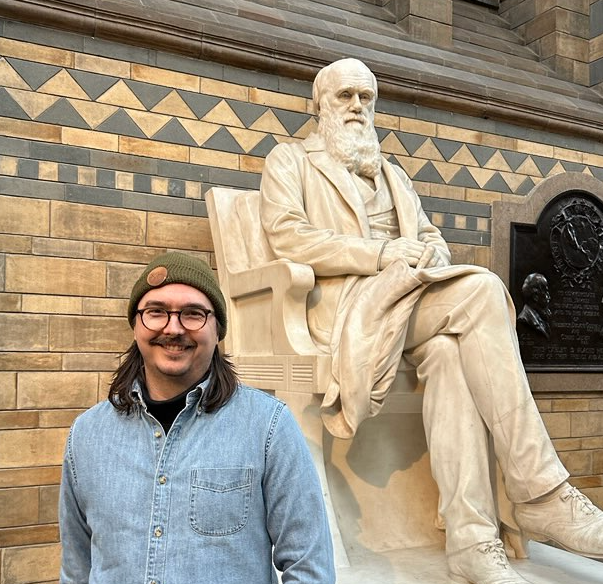
Previously, I was an NSF Plant Genome Postdoctoral Research Fellow at UC Davis working with Dan Kliebenstein and Grey Monroe. My project focused on how gene networks and functional interactions among genes shape genomic variation. I used natural loss-of-function alleles in Arabidopsis thaliana as well as gene presence/absence in the glucosinolate pathway across the Brassicaceae family to explore how gene networks constrain and structure genetic variation. Additionally, I worked on pangenome projects for the hexaploid Camelina sativa and pennycress.
I completed my PhD in Horticulture and in Ecology, Evolution, and Behavior at Michigan State University with Pat Edger and Bob VanBuren. My dissertation work focused on the genomics and genome evolution of allopolyploids with particular emphasis on the causes and consequences of subgenome dominance, gene dosage balance constraints on genome duplication and homoeologous exchanges, and phylogenomic approaches to the origin and evolution of complex polyploid species.
Prior to my PhD work, I received a BS in Biological Sciences and a BA in Philosophy from the University of Missouri-Columbia where I was advised by J. Chris Pires. There, I collaborated with the USDA and Michael Gore to sequence a diverse panel of Brassica rapa (e.g. turnip, pak choi, Chinese cabbage) and learn about population structure and evolutionary relationships of different cultivars (see publications). As a post-graduate, I was a Fulbright fellow at the VIB/UGent with Steven Maere, where I assisted on projects exploring the evolution of gene regulatory networks and the use of single-plant omics to investigate the wiring of plant traits directly in the field.
Any opinions, findings, and conclusions or recommendations expressed in this material are mine and do not necessarily reflect the views of the National Science Foundation.